

Native American Tipi
Showing all 5 results
-

Geometric pattern Teepee
-

Indian teepee tent
-

Little princess Indian tent
-

Small Teepee Indian tent
-

White House Teepee
The Native American tipi, or kids’ teepee, has grown far beyond a simple toy to become a centerpiece in a child’s bedroom. Far from romantic clichés, the modern teepee offers a real, functional space: a refuge for the imagination, a reading nook, or a quiet play area. Choosing the right model means weighing practical and technical factors, from materials to how it fits into the room. This guide offers a concrete approach to selecting a teepee that meets the expectations of both children and parents, focusing on durability, safety, and functional relevance.
Why add a kids’ teepee to the play area?
A teepee in a child’s bedroom is more than a decorative object; it creates a micro-environment that encourages independent play and sparks the imagination. By offering a defined space, the teepee lets the child claim a corner all their own, fostering a sense of independence. It’s an ideal spot for quiet activities like reading adventure books or drawing, away from the surrounding hustle and bustle. Its simple structure also encourages role-play, turning the tent into a trapper’s cabin or a spaceship depending on the mood, without needing complicated accessories.
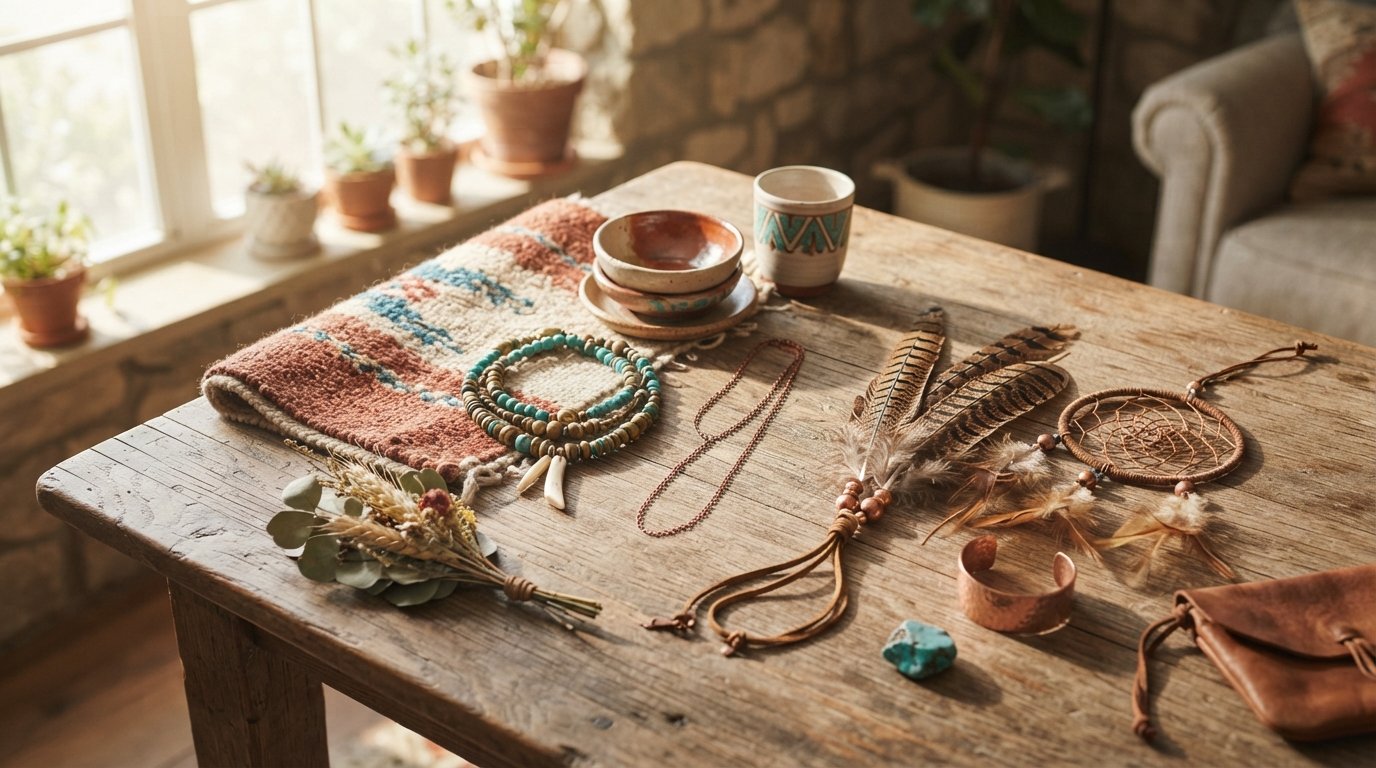
What’s more, a well-designed teepee can double as an alternative to bulky storage furniture. At the end of the day, cushions, stuffed animals, and books can all be gathered inside, making tidying the room much simpler. This approach keeps the living space neat while still giving the child a personal retreat. To tie the whole look together, consider adding Native American decor pieces around the teepee, such as dreamcatchers or throws with tribal-inspired patterns, which enhance the atmosphere without cluttering the space.
How to choose a Native American tent: technical criteria and dimensions
Choosing a Native American tent for a child should be based on precise criteria. First, the material: thick cotton (usually between 250 and 320 g/m²) is a safe bet. It offers good structure, tear resistance, and appreciable breathability. Polyester, lighter and often waterproof, is better suited to occasional outdoor use but can trap heat inside. Check for Oeko-Tex Standard 100 certification on cotton, which guarantees the absence of harmful substances. The poles should be solid wood, such as pine or beech, sanded to avoid splinters and fitted with sturdy connectors for safe assembly.
Size is a decisive factor. A standard kids’ teepee typically has a base of 110×110 cm to 130×130 cm and stands 150 to 180 cm tall once assembled. For a 10 m² child’s bedroom, a model with a 120×120 cm footprint is a good compromise, leaving enough room for play. Measure the available space before buying, factoring in the teepee’s square base and the span of the poles. Placing a teepee in a corner frees up the center of the room, while a central placement offers visual symmetry. Choose a model with a base wide enough for an adult to comfortably slip inside, making shared reading moments easier.
Setting up the inside of the teepee: practical tips to spark the imagination
The interior setup of a teepee turns a simple structure into a true little haven. Start with the floor: a plush Native American rug or thick floor cushions insulate against the cold and add comfort. Choose cushions with removable, machine-washable covers for easy cleaning. Add a battery-powered LED string light along the inner poles for soft lighting and a cozy vibe, perfect for bedtime stories. Avoid sharp or very small objects for younger children.
As for activities, a small selection of picture or adventure books, some paper and colored pencils, or a compact building set are plenty. The goal isn’t to clutter the space, but to give the imagination something to work with. For example, Native American costume accessories, like a fabric headdress or patterned bracelets, can turn an ordinary play session into a real cultural exploration. Hanging fabric shelves attached to the poles let kids store small treasures without taking up floor space. The key is to leave room for the child to personalize their own little world inside the teepee.
How do I choose the right teepee size for my child’s bedroom?
Measure the available floor space and ceiling height. A standard teepee measures about 120×120 cm at the base and 160 cm tall. Make sure your child can sit or stand comfortably without touching the top. For a small bedroom (under 9 m²), go for a compact model (under 110 cm base). In a larger room, a 130×130 cm teepee offers more room for several children or an adult.
Which materials should I choose for a durable, safe Native American tent?
Thick cotton (280-300 g/m²) is recommended for its sturdiness, breathability, and natural look. It’s often Oeko-Tex certified, guaranteeing the absence of harmful substances. The poles should be solid wood (pine, birch), sanded and sturdy. Avoid fragile plastic frames. Check the strength of the seams and how easy it is to take apart for cleaning or storage. A non-slip fabric floor is a plus for your child’s safety.
Can a teepee tent be used outdoors, and what precautions should be taken?
Yes, many teepees are designed for outdoor use, but check the fabric’s resistance to moisture and UV rays. A water-repellent treatment is preferable. Set the teepee up on flat, dry ground, sheltered from the wind. Anchor the pole feet if possible. Never leave the teepee out in bad weather or under prolonged direct sun, as this can cause fading and fabric damage. Bring it back inside after use to preserve its lifespan.
How do I effectively maintain and clean my Native American tent?
For a cotton teepee, the fabric is often machine-washable at 30°C on a gentle cycle, but it’s essential to check the label first. Let it air dry to avoid shrinkage. The wooden poles can be wiped down with a damp cloth and a mild cleaner. Vacuum the inside regularly to remove dust and crumbs. For a localized stain, clean it quickly with mild soap and a clean sponge. Regular upkeep extends the teepee’s lifespan.