
Native American Dreamcatcher Rug
Showing all 3 results
-

Dreamcatcher Native American rug
Price range: £67.99 through £110.99 🛒 This product has multiple variants. The options may be chosen on the product page -

Native American Dreamcatcher Rug
Price range: £67.99 through £110.99 🛒 This product has multiple variants. The options may be chosen on the product page -

Native American Eagle rug
Price range: £21.32 through £45.32 🛒 This product has multiple variants. The options may be chosen on the product page
Bringing Native American dreamcatcher rugs into your decor
The Native American rug with a dreamcatcher motif is far more than a simple floor covering; it embodies part of the spiritual heritage of indigenous peoples, particularly the Ojibwe. Traditionally, the dreamcatcher, or asabikeshiinh, is a handcrafted object meant to filter dreams, letting only the good ones through. Transposed onto a rug, this symbolism takes on a new dimension, offering a decorative piece that blends aesthetics with meaning. These textiles bring character and depth to a living room, bedroom or office, moving away from predictable decor choices.
Far from impersonal catalogue picks, choosing a Native American rug is a thoughtful process. It’s about finding a piece that speaks to the rest of your interior. A dreamcatcher rug can become the visual anchor of a space, or blend into a broader collection of items inspired by Native American art. For example, a 120 x 160 cm model can define a reading nook, while a larger format, such as 200 x 300 cm, will structure the central area of a living room.
Choosing the right dreamcatcher rug: patterns, dimensions and textile fibers
Selecting a dreamcatcher rug isn’t just about the pattern. You need to consider all its features so it meets the demands of the space and its use. Patterns often depict natural elements: eagles in flight, wolves, sun or moon symbols, and of course the distinctive dreamcatcher web, sometimes adorned with stylized feathers. Choose warm tones like ochre, earthy browns or brick red for a cozy feel, or deep blues and forest greens to evoke nature. These color choices directly shape how the room is perceived.
Rug dimensions matter a great deal. A small 60 x 90 cm model can liven up an entryway or sit at the foot of a bed. For a living room, a 160 x 230 cm rug under a coffee table creates a distinct zone. As for fibers, cotton offers a soft, easy-care surface, ideal for a child’s bedroom. Wool, more durable, provides thermal insulation and a dense texture, suited to high-traffic living spaces. Synthetic blends, often polyester or polypropylene, offer greater stain resistance and simpler maintenance, an advantage for areas exposed to moisture. Choosing the right material ensures durability and suitability for its environment. These considerations differ from those made for a Native American dreamcatcher wall hanging, where abrasion resistance isn’t a major concern.
Showcasing and maintaining a long-lasting dreamcatcher rug
To showcase a rug with a dreamcatcher pattern, placement is key. In a bedroom, position it so the pattern is fully visible from the doorway. Under a living room coffee table, make sure a significant part of the design remains visible. A rug can also serve as a starting point for arranging other Native American decor pieces, such as wall art or cushions with complementary patterns. The goal is to create visual harmony, not to pile up unrelated objects.
Regular maintenance ensures the rug’s longevity. For cotton models, gentle cleaning with a neutral detergent, or even a low-temperature machine wash for smaller sizes, is enough. Wool rugs need regular vacuuming and occasional spot cleaning with specific, non-aggressive products. Synthetic fibers like polyester or polypropylene generally just need a weekly vacuum and a soapy water clean for stains. Avoid direct, prolonged sun exposure, which could fade the colors and damage the fiber structure.
What size dreamcatcher rug should I choose for a child’s bedroom or an office?
For a child’s bedroom, a 90 x 150 cm or 120 x 180 cm rug can be enough to define a play area or sit at the foot of the bed. In an office, a smaller format such as 60 x 90 cm or 80 x 120 cm can enhance the atmosphere without overwhelming the space under a chair or in front of a bookshelf, adding a visual touch without hindering movement.
How do I choose the pattern and color for a dreamcatcher rug in a living room?
In a living room, favor balanced patterns and colors that complement your existing furniture. Shades like anthracite gray, sand beige or petrol blue add a sophisticated touch. As for patterns, a stylized eagle design or a dreamcatcher web with clean lines can blend in harmoniously. Consider the room’s light levels before finalizing your choice.
Which material is best for a hard-wearing dreamcatcher rug?
For greater resistance to wear, especially in high-traffic areas, dense wool rugs or quality synthetic fibers such as polypropylene or nylon are good choices. Wool offers natural resilience and strong color retention, while synthetics stand out for their ease of maintenance and toughness against everyday abrasion. A non-slip backing is a plus.
Can a dreamcatcher rug be paired with other Native American decorations without overdoing it?
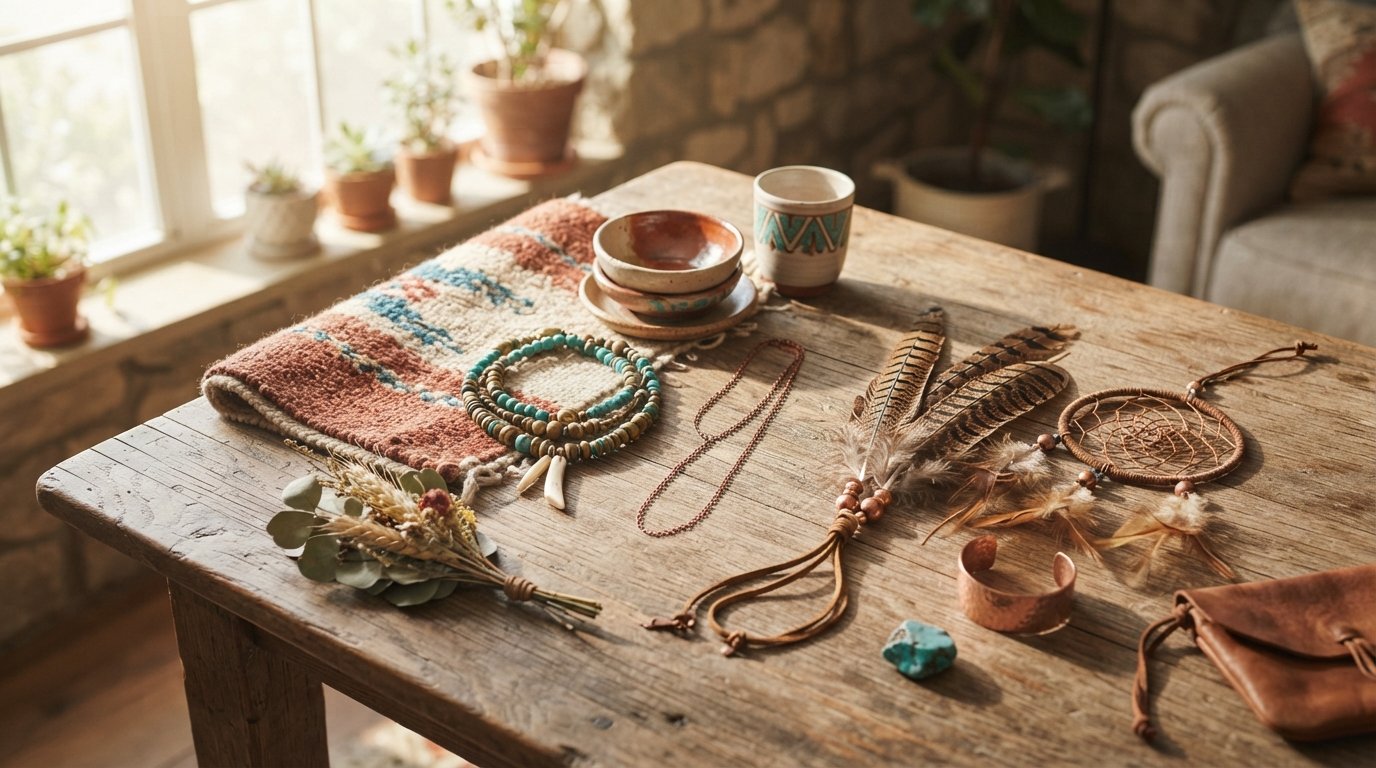
Yes, pairing them works well when done thoughtfully. Choose pieces that share a color palette or graphic style similar to your rug. For example, dreamcatchers hung on the wall, cushions with geometric patterns, or simple pottery pieces. Avoid piling up too many items in one space; visual consistency matters more than quantity.
How do I clean and care for a Native American dreamcatcher rug made of natural fibers?
For natural fibers like cotton or jute, regular vacuuming with a soft brush is essential. If a stain occurs, act quickly with a damp cloth and a mild, textile-specific cleaner. Wool rugs may need professional cleaning every two to three years to keep their shine and structure, beyond weekly vacuuming and spot treatment. Always follow the manufacturer’s instructions.